THE MUSEE D’ORSAY ALWAYS AMAZES AND SURPRISES WITH BEAUTIFUL TREASURES
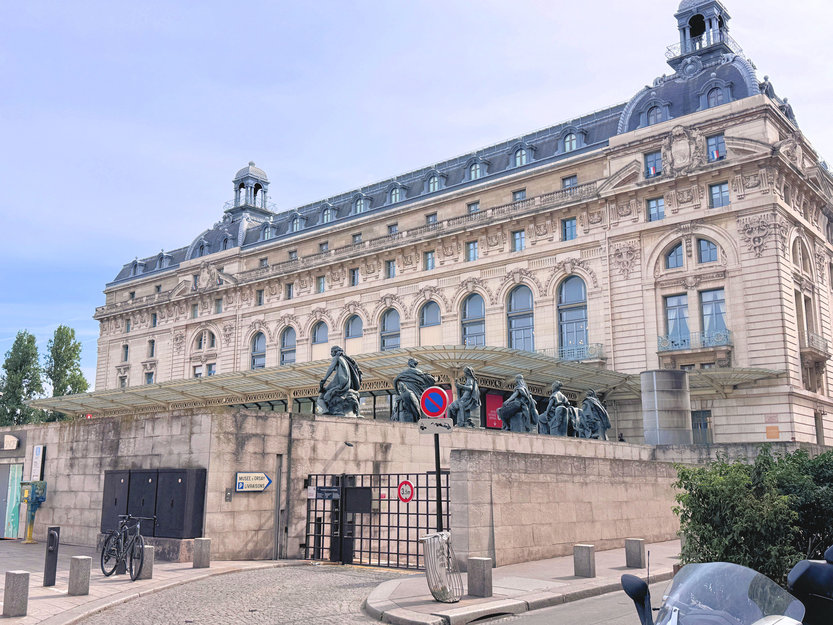
We stayed in Paris for two nights before departing on a Uniworld Seine River cruise in August. Paris museum visits are always on our itinerary. There are 136 museums in Paris, but we opted for one of our very favorites, Musée d’Orsay, as there are always new and exciting exhibits.

The Musée d’Orsay is housed in a former railway stration, Gare d’Orsay, built in 1898.

Marla admires Leon Belly’s 1861 painting “Pélerins allant à La Mecque“. I remember studying “Orientalism” in a college art history class. This painting is considered a masterpiece of Orientalist painting. It depicts a long caravan crossing the desert, making its way towards Mecca, Islam’s holiest city. French Orientalism has always intersted me though I realize many works are criticised for displaying justification for colonialism, stereotypical settings, and overly sensualized setting.

Paul Bouchard’s 1893 Orientalist painting,“Les Almees”.

A beautiful 1872 Jean-Baptiste Carpeaux sculpture, “The Four Parts of the World Holding the Celestial Sphere”.

This beautiful 1868 sculpture by Jean-Baptiste Carpeaux, “La Danse”, was original part of a set of four on the facade of the Palais Garnier. This was moved to the Musee d’Orsay in 1964 to protect from pollution.

The Musée d’Orsay has the largest and best collection of Impressionist paintings in the world. Renoir’s 1876 “Bal du moulin de la Galette” is a favorite of ours!

Degas paintings and sculptures are very big favorites of ours! The painting above is “The Blue Dancers”, a pastel created in 1897. We once visited his tomb at the Cimetière de Montmartre.

“The Ballet Rehearsal on Stage”, created in 1874 is a wonderful work by Degas.

Berthe Morisot was an important artist in the French Impressionist movement. This is her 1879 work, “Young Girl in a Ball Gown”. She presented about fifteen paintings at the fifth Impressionist Exhibition in 1880, including this one. Critic, Charles Ephrussi, in the Gazette des Beaux-Arts, wrote a poetic description and a sensitive analysis of the paintings: “Berthe Morisot is very French in her distinction, elegance, gaiety and nonchalance. She loves painting that is joyous and lively.

Undoubtedly Berthe Morisot’s most famous painting, The Cradle, was painted in 1872. The artist depicts one of her sisters, Edma, watching over her sleeping daughter, Blanche. This is the first appearance of an image of motherhood in Morisot’s work, a subject that would become one of her favorites.

The crowds loved Renoir’s two paintings from 1883, “Dance in the City” and “Dance in the Country”. The paintings were commissioned by art dealer, Paul Durand-Ruel as part of a 3 piece set. The third work is “Dance at Bougival” in the collection of the MFA in Boston.

This is a vibrant water lilly painting by Claude Monet. He painted 250 in this series.

This is one of Claude Monet’s “Houses of Parliament, Sunlight Opening in Fog” series painted between 1900 and 1904.

“The Church at Auvers” was painted in June 1890, a few weeks before Vincent van Gogh’s death.

“Portrait of Dr. Gachet” was painted in the final month of van Gogh’s life in June 1890.

One of the restaurants in the museum, Cafe Campana, is designed by the Campana brothers, famous Brazilian designers. The café transports you into a “dreamlike-aquatic” universe, directly inspired by Emile Gallé and a tribute to Art Nouveau.

I’m checking out the roof deck.

A view of the Louvre across the Seine River from the roof deck.

The Sacre-Coeur can be seen from the Musée d’Orsay’s rooftop.

“The Restaurant ” is one of the higher end places to dine. The custom created plastic chairs were fantastic!

A cast of Antoine Bourdelle’s sculpture “Hercules the Archer”. (Also known as “Héraklés, archer)
Photos: Dick Gentry. Not to be used without permission.
About The Author

admin
Related Posts
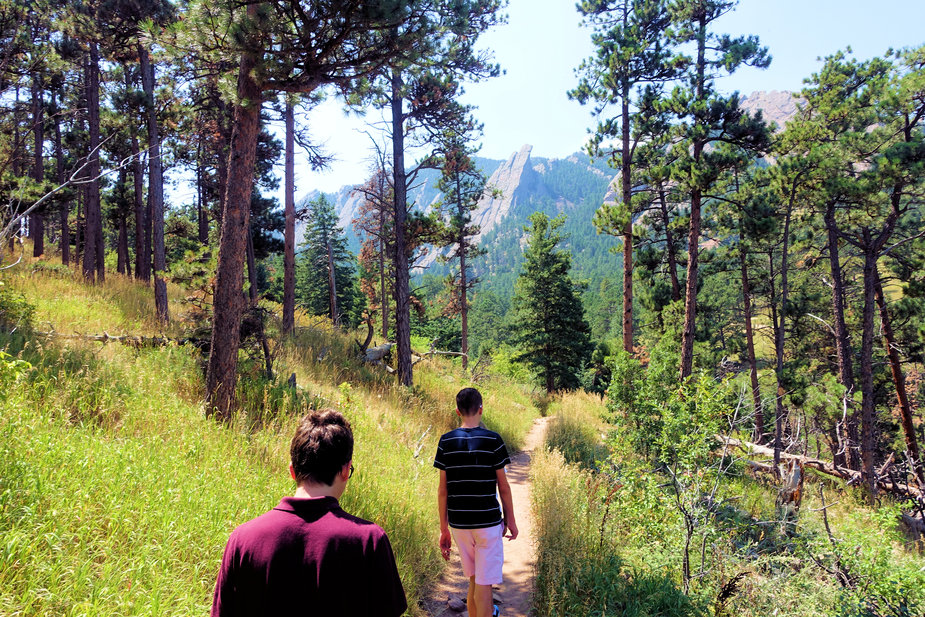
A LOVE OF TREES
Kahlil Gibran once wrote,“Trees are poems that the earth writes upon the sky…
October 10, 2025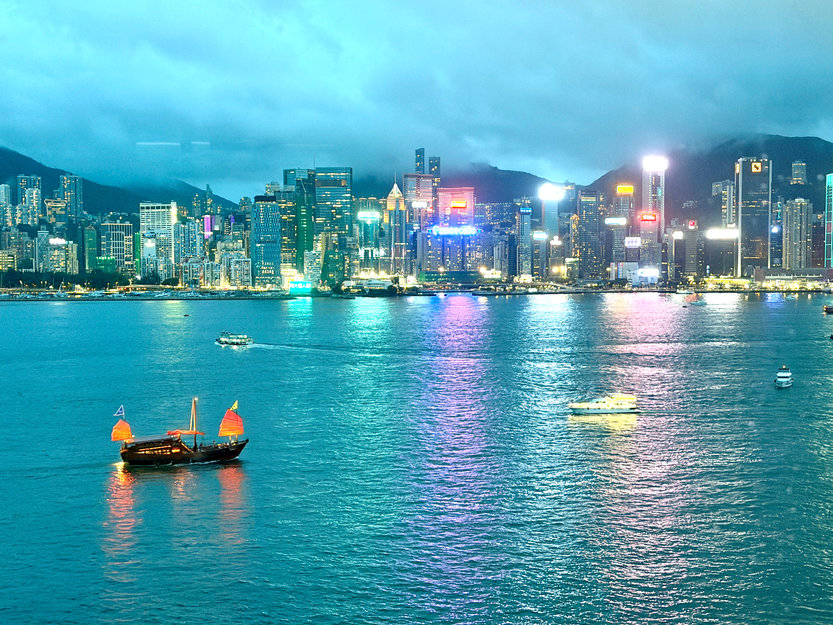
HONG KONG ENERGIZES THE SENSES LIKE VERY FEW CITIES IN THE WORLD. This was the last stop on our amazing travel adventure with our granddaughters.
The last leg of our granddaughters Japan, Southeast Asia, Singapore, and finally, Hong Kong tour…
October 10, 2025
Stacy | 10th Oct 25
Beautiful! Love those chairs!